
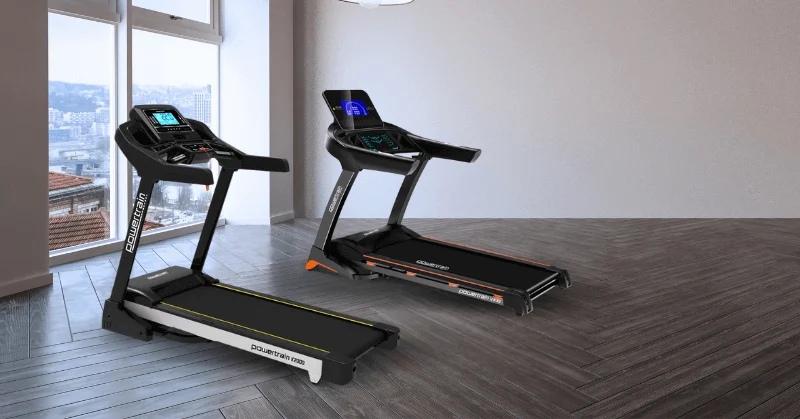

Yes, 2EZ TEK repairs treadmills throughout Dallas Fort Worth. We handle diagnostics, walking belt issues, drive motor failures, motor control board problems, console malfunctions, incline failures, noise complaints, and routine maintenance. If your treadmill is sitting in your guest room or garage and it stopped working, we can come to you.
The Full Answer
Treadmill repair covers a wide range of components, and the fix depends entirely on what is actually failing. The most common calls we get in the DFW area involve a walking belt that is slipping, burning, or has stopped moving entirely. This usually points to a worn belt, a misaligned or glazed deck, or a drive motor that is pulling too many amps trying to push a belt with too much friction. These are not the same problem, and treating them as if they are will get you nowhere fast.
The motor control board is another frequent failure point on residential treadmills. This board regulates power to the drive motor and controls speed. When it fails, you might see the belt surge and slow unpredictably, the display might throw an error code, or the machine might not start at all. A bad motor control board can also cause the drive motor to overheat and fail prematurely, so catching it early matters. We stock or can source control boards for most major residential brands sold in the Dallas Fort Worth market.
Incline failures are their own category. The incline actuator is a motorized screw mechanism that raises and lowers the front of the treadmill. When it fails, the treadmill either stays stuck at one angle or throws an incline error and refuses to run. Sometimes the actuator motor has failed. Sometimes the position sensor has gone bad. Sometimes it is a wiring issue between the console and the actuator. Diagnosing it correctly before ordering parts is the difference between a one-visit repair and a drawn-out parts guessing game.
Related Problems to Watch For
- Burning smell during use: This usually means the walking belt has too much friction against the deck, and the drive motor is overheating trying to compensate. Stop using the machine until it is inspected.
- Belt drifting to one side: A walking belt that tracks left or right is a tension and alignment issue. Continued use will cause uneven wear on the belt edges and damage the deck surface.
- Speed surging or stuttering: Inconsistent belt speed often points to a failing motor control board or a drive motor that is drawing inconsistent current. It can also be caused by a worn drive belt connecting the motor to the front roller.
- Console not powering on: This can be a failed console board, a bad power supply, or a wiring harness issue. It is not always the console itself, so replacing the display without diagnosing the root cause is a common and expensive mistake.
- Loud grinding or squeaking noise: Noise during operation usually comes from the front or rear roller bearings, a dry walking belt, or a worn drive belt. Bearings that are allowed to fail completely can damage the roller shaft and frame.
- Treadmill stops mid-workout: Unexpected shutdowns are often thermal cutoffs triggered by an overheating drive motor or motor control board. They can also be caused by a failing reed switch, which is the magnetic sensor that monitors belt speed and communicates with the console.
What This Repair Actually Involves
- On-site diagnostic: We start by running the treadmill through its full range, checking belt tension and tracking, listening for noise, testing incline function, and reading any error codes stored in the console. This tells us where to look before we open anything up.
- Component inspection: We check the condition of the walking belt and deck surface, inspect the drive motor for wear and heat damage, test the motor control board for proper voltage output, and examine the drive belt and rollers for wear. On incline complaints, we test the actuator and its wiring independently.
- Parts sourcing and replacement: Once we identify the failed component, we source the correct part for your specific model. Common parts like walking belts, drive belts, and motor control boards are often available quickly. We do not recommend substituting generic parts on components like control boards, where incorrect voltage ratings can cause further damage.
- Lubrication and belt adjustment: After any belt or deck work, we apply the correct silicone lubricant under the walking belt and adjust tension and tracking so the belt runs centered and smooth. This step is skipped by a lot of DIY repairs and it is why belts wear out again quickly.
- Final test run: We run the machine at multiple speeds and incline levels before we pack up. If there is any remaining issue, we address it before leaving. We do not consider the job done until the treadmill runs the way it should.
When to DIY vs. Call a Technician
There are a few things homeowners can safely do on their own. Applying silicone lubricant under the walking belt is one of them, as long as you use the right product and follow the process for your model. Checking that the power cord is fully seated and the reset button on the power strip or surge protector has not tripped is another. Cleaning dust and debris from around the motor cover is also reasonable. These are maintenance tasks, not repairs, and doing them regularly can extend the life of your machine.
Anything involving the motor control board, drive motor, incline actuator, or internal wiring should be handled by a technician. These components carry line voltage and can cause serious injury if handled incorrectly. Beyond safety, misdiagnosing the root cause and replacing the wrong part is a fast way to spend more money than a service call would have cost. If your treadmill is throwing error codes, shutting down unexpectedly, making grinding noises, or simply will not turn on, call a technician before pulling it apart.
More Questions Customers Ask
How long does a treadmill repair usually take?
Most repairs are completed in a single visit once we have the correct parts on hand. Common components like walking belts, drive belts, and motor control boards for popular residential brands are usually sourced within a few days. More obscure parts for older or discontinued models can take longer, but we will tell you that upfront so you are not waiting without information.
Is it worth repairing an older treadmill or should I just replace it?
It depends on the machine and the repair. A quality residential treadmill from a reputable brand is worth repairing in most cases, especially if the frame and motor are in good shape. A walking belt replacement or a motor control board swap on a solid machine is almost always cheaper than buying a comparable new unit. Where it gets harder to justify is when the drive motor itself has failed on a lower-end machine, or when multiple major components need replacement at the same time. We will give you an honest assessment when we diagnose it, including what we would do if it were our machine.
Get This Fixed in Dallas Fort Worth
2EZ TEK provides residential treadmill repair throughout Dallas Fort Worth, and we mean residential. A lot of homeowners in DFW have been turned away by repair companies that only want commercial gym accounts. We actively serve homeowners with a treadmill in the spare bedroom or an elliptical in the garage, and we offer same-week service. Call or contact us to schedule a visit and get your machine running again.