
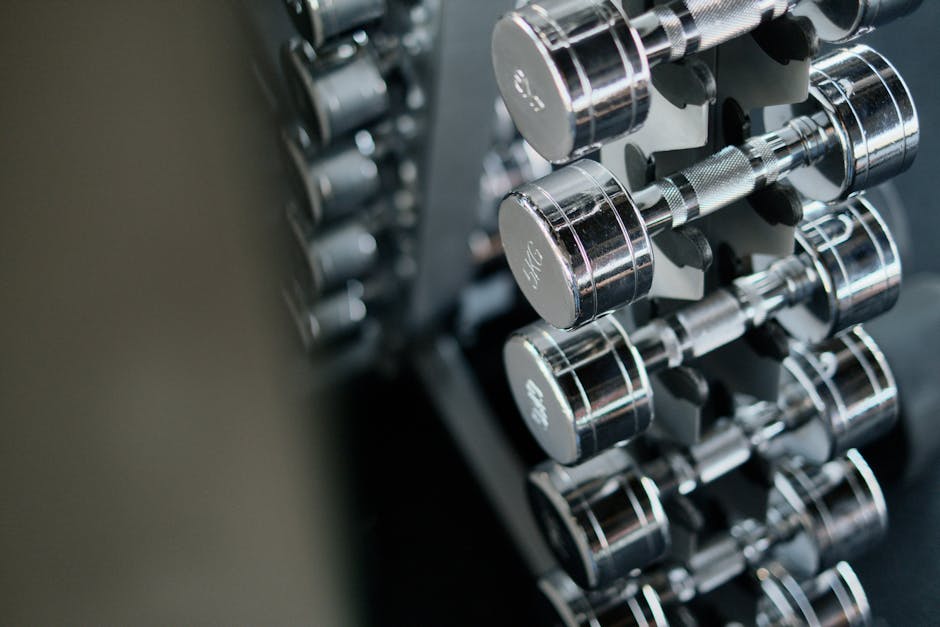

PRX Profile performance racks are some of the most space-efficient and well-engineered folding rack systems on the market, but getting them installed correctly, especially in commercial settings or on masonry walls, is a job that goes wrong fast when it's rushed or done without the right experience. At 2EZ TEK, we handle PRX Profile rack installation and service across Dallas Fort Worth for both homeowners building out their garage gyms and commercial facilities adding strength equipment to their floor plan. If you've got a Profile ONE or Profile PRO going onto a brick wall, a concrete block structure, or a commercial-grade stud wall, the wall bracket anchoring process is not something to guess at.
Common Symptoms and Service Requests
- Rack not folding flush against the wall: The uprights bind or stop short, usually because the wall brackets are not plumb or the floor feet are set at the wrong depth.
- Wall brackets pulling away from the surface: This happens most often on brick or block walls where the wrong anchor hardware was used or anchors were set into mortar joints instead of the brick face.
- Kipping bar flex or movement under load: The kipping bar attachment points on the Profile ONE and PRO models require specific torque specs. Loose hardware here creates dangerous flex during dynamic movements.
- Safeties and J-hooks not seating correctly in the uprights: The V3 upright profile used on newer 89-inch and 95-inch PRO racks has updated hole spacing. Older accessories from previous rack generations may not fit correctly.
- Weight storage pegs shifting or racking under load: The 4-peg profile weight storage system needs to be anchored to studs or masonry independently. Hanging it off the rack uprights alone is not the right call.
- Flat folding bench not locking in position: The PRX Profile flat folding bench has a locking pin mechanism that wears or gets knocked out of alignment, especially in high-use environments.
- Single bar storage pulling from the wall: Hanging bar storage sees a lot of dynamic load when bars are dropped in. If the anchor points aren't into solid material, the mount will work loose over time.
Root Causes: What Is Actually Happening
- Incorrect anchor selection for masonry walls: PRX's own installation documentation specifies hardware requirements for wood stud framing, but a commercial install on a brick or load-bearing block wall requires wedge anchors or sleeve anchors rated for the shear and tension loads the rack will generate. We've seen installs in Dallas where contractors used drywall anchors in a brick veneer wall. That's a liability waiting to happen.
- Wall brackets installed out of plumb or at incorrect spacing: The Profile ONE and Profile PRO both use updated wall bracket designs as of the 2024 manual revisions. The bracket spacing has to be set precisely to match the upright width. If the brackets are even slightly off, the rack won't fold flat and the uprights will bind under load.
- Uprights not properly tensioned at the floor foot: The floor foot adjustment on PRX racks controls how much of the load transfers to the floor versus the wall. In a commercial setting where the rack sees heavy daily use, this adjustment drifts and needs to be checked periodically. An improperly tensioned floor foot puts excess stress on the wall anchors.
- Hardware under-torqued during assembly: PRX racks come with a lot of hardware, and the assembly manuals for the Profile PRO models, including the 81-inch, 89-inch, and 95-inch versions with pull-up bars, specify torque values for the structural fasteners. In a rush install, these get hand-tightened and left. Under dynamic loading from squats, pull-ups, or kipping movements, under-torqued fasteners back out.
- Accessories mixed between rack generations: PRX has updated their upright design across product generations. The V3 uprights used on current 89-inch and 95-inch Profile PRO racks with kipping bars have different hole geometry than earlier versions. Mixing accessories between generations causes poor fitment and can compromise safety rating on the attachment points.
- Belt squat carriage misalignment: The PRX Profile Belt Squat is a separate assembly with its own carriage, belt routing, and adjustment points. If the carriage is not tracking centered on the rails, the belt will wear unevenly and the carriage will bind under load. This is a common issue when the belt squat is assembled without following the V3 assembly manual step sequence.
What NOT to Do
- Do not anchor into mortar joints on a brick wall: Mortar joints are significantly weaker than the brick face and will not hold the shear load a loaded squat rack generates. This is one of the most common and dangerous mistakes we see on DIY commercial installs in Dallas.
- Do not skip the floor foot adjustment: Some installers bolt the wall brackets, hang the uprights, and call it done without setting the floor feet. The floor feet are structural. Leaving them loose or at the wrong height changes the load path through the entire rack and accelerates wall anchor fatigue.
- Do not use accessories from a different PRX rack generation without verifying compatibility: The updated wall brackets and new uprights documented in the 2024 manual revisions are not backward compatible with all older PRX accessories. Using mismatched hardware on a rack that sees heavy commercial use is a safety issue, not just a fitment annoyance.
- Do not hang the single bar storage or weight pegs off drywall alone: These accessories need to be anchored into studs or masonry. A single Olympic bar weighs 45 pounds. Four bars on a storage system that's only anchored into drywall will pull out of the wall, usually at the worst possible moment.
Professional PRX Performance Rack Service in Dallas Fort Worth
2EZ TEK handles PRX Profile rack installation and service for both residential homeowners and commercial facilities across Dallas Fort Worth. Most of our strength equipment calls come from homeowners who have a garage gym or a dedicated workout room and want the job done right the first time. We take residential work seriously. A lot of shops in DFW focus only on commercial gym contracts and treat homeowners as an afterthought. That's not how we operate. Whether you've got a Profile ONE going into a home gym on a standard stud wall or a Profile PRO going onto a load-bearing brick wall in a commercial space, we show up with the right tools, the right anchors, and the knowledge of PRX's current installation specs.
We also quote and service cardio equipment alongside strength work. If you need a Stairmaster, treadmill, or elliptical serviced at the same location, we can handle that in the same visit. Brands we regularly work on include NordicTrack, ProForm, Life Fitness, and Precor. With over 500 five-star reviews and same-week availability across the DFW area, we're not a call center scheduling you two weeks out. 2EZ TEK also maintains a free manual library at 2eztek.com/manuals where owners can find assembly guides, service docs, and owner manuals for PRX racks and other equipment.
Commercial installs, especially on masonry walls, require a site assessment before we quote. We look at wall construction, stud or anchor spacing, ceiling height, and how the rack will be used. A rack going into a CrossFit facility where athletes are doing kipping pull-ups and heavy squats every hour needs to be anchored differently than a rack in a private office gym that sees light use. We've done both across Dallas Fort Worth and we know the difference.
Frequently Asked Questions
Can a PRX Profile rack be installed on a brick wall?
Yes, but it requires the right anchor hardware and someone who knows what they're doing. Standard wood screw anchors won't work in masonry. We use wedge anchors or sleeve anchors sized for the load, set into the brick face, not the mortar joints. PRX's documentation covers standard stud wall installs, so the masonry anchor selection falls on the installer's experience. This is one of the most common things we get called in to fix or redo after a DIY attempt in Dallas.
How long does a PRX rack installation take?
A straightforward Profile ONE install on a standard stud wall typically takes two to three hours including layout, anchoring, upright assembly, and accessory attachment. A Profile PRO on a masonry wall with a kipping bar, weight storage, folding bench, and belt squat can run four to six hours depending on site conditions. We don't rush structural installs. Getting the wall brackets plumb and the floor feet set correctly at the start saves a lot of problems down the road.
My PRX rack is already installed but it doesn't fold flat. Can you fix it?
Yes, this is a common service call. Usually it's a wall bracket alignment issue or a floor foot that's set at the wrong height. In some cases the uprights have been assembled with the wrong orientation. We can diagnose and correct it in a single visit. If the wall anchors are in bad shape or in the wrong location, we'll give you an honest assessment of what it takes to re-anchor correctly rather than just adjusting around a bad install.
Get Your PRX Performance Rack Installed Right in Dallas Fort Worth
Call 2EZ TEK for PRX Profile rack installation, service, and commercial fitness equipment repair across Dallas Fort Worth. We'll get it done right the first time.